
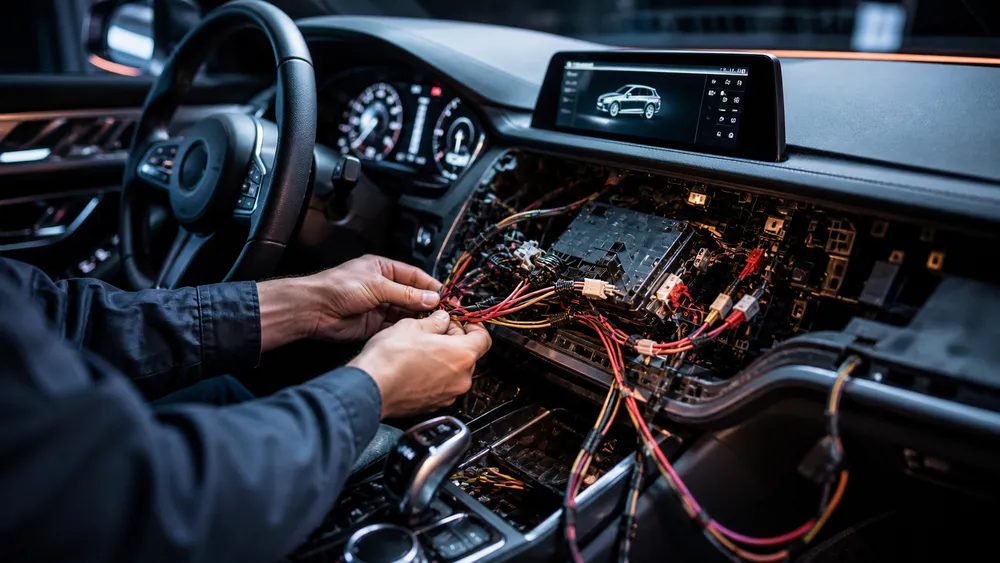
In today’s automotive world, body electrics play a critical role in how vehicles function, perform, and keep drivers safe. From lighting systems and power windows to advanced driver-assistance features, body electrics are the backbone of modern vehicle convenience and safety. Whether you’re a car owner, technician, or enthusiast, understanding body electrics can help you maintain your vehicle, diagnose issues, and appreciate the complexity of automotive design.
This guide will explore what body electrics are, how they work, common problems, and why professional expertise—like the services offered at Body Electrician—is essential for keeping your vehicle in peak condition.
What Are Body Electrics?
Body electrics refer to all the electrical components in a vehicle that are not directly related to the engine or drivetrain. These systems control the comfort, convenience, safety, and communication features of your car.
Key Components of Body Electrics
Body electrics include a wide range of systems, such as:
- Lighting systems (headlights, brake lights, interior lights)
- Power windows and door locks
- Climate control systems
- Dashboard displays and instrument clusters
- Infotainment and navigation systems
- Windshield wipers and washers
- Central locking and alarm systems
- Sensors and control modules
- Airbag and safety systems
Modern vehicles rely heavily on integrated electronics, making body electrics more advanced than ever before.
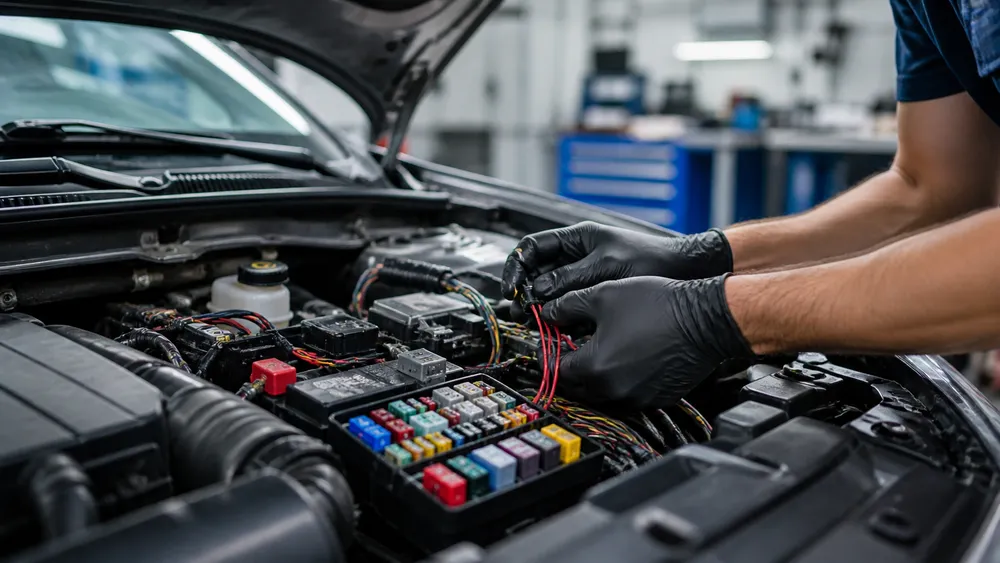
How Body Electrics Work
Body electrics operate through a network of electrical circuits powered by the vehicle’s battery and controlled by electronic modules.
The Core Elements
- Battery
Supplies electrical energy to all systems. - Wiring Harness
Connects components and allows electrical signals to travel throughout the vehicle. - Control Modules (ECUs)
Electronic Control Units manage specific systems such as lighting, locking, or climate control. - Sensors and Switches
Provide input to control modules, triggering actions like turning on lights or activating wipers. - Actuators
Carry out commands (e.g., moving a window or locking a door).
These components communicate through complex networks like CAN bus systems, allowing multiple modules to interact seamlessly.
For a deeper understanding of automotive electronics, resources like the Society of Automotive Engineers (SAE) provide authoritative insights into vehicle systems and standards.
Why Body Electrics Are Important
The importance of body electrics cannot be overstated. They directly impact:
1. Safety
Features like airbags, ABS sensors, and lighting systems rely on body electrics to function properly. Faulty wiring or malfunctioning modules can compromise safety.
2. Comfort and Convenience
Power seats, climate control, and infotainment systems enhance the driving experience.
3. Vehicle Efficiency
Modern electrics help optimize energy use and integrate with hybrid and electric vehicle systems.
4. Resale Value
A vehicle with fully functioning body electrics is more attractive to buyers and retains higher value.
Common Body Electrics Problems
Because body electrics involve complex wiring and electronic systems, issues can arise over time. Here are some of the most common problems:
Faulty Wiring
Damaged or corroded wires can interrupt electrical flow, causing systems to fail intermittently or completely.
Blown Fuses
Fuses protect circuits from overload. When they blow, affected systems stop working.
Malfunctioning Control Modules
ECUs can fail due to software issues, electrical surges, or wear over time.
Battery Drain
Parasitic drains from faulty components can deplete the battery even when the vehicle is off.
Sensor Failures
Modern vehicles rely heavily on sensors, which can wear out or provide inaccurate readings.
If you’re experiencing any of these issues, it’s best to consult professionals like Body Electrician who specialize in diagnosing and repairing body electrics.
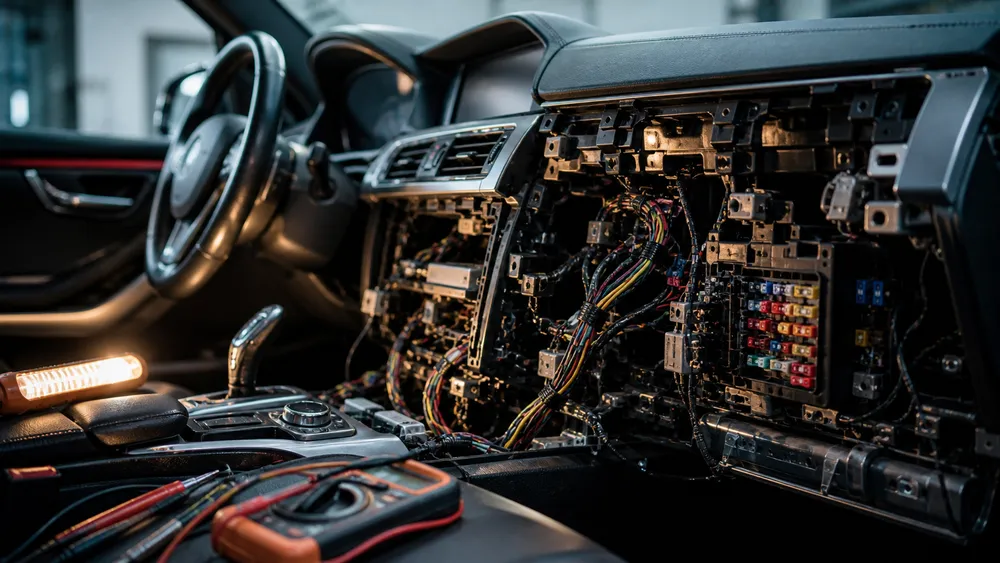
Diagnosing Body Electrics Issues
Diagnosing problems in body electrics requires specialized tools and expertise.
Diagnostic Methods
- OBD-II Scanners: Retrieve error codes from control modules
- Multimeters: Measure voltage, resistance, and continuity
- Wiring Diagrams: Identify circuit paths and connections
- Software Diagnostics: Advanced tools for modern vehicles
Organizations like the National Institute for Automotive Service Excellence (ASE) emphasize the importance of certified technicians for handling complex electrical systems.
The Evolution of Body Electrics
Body electrics have evolved significantly over the years.
Then vs. Now
Older Vehicles:
- Simple wiring systems
- Minimal electronics
- Manual controls
Modern Vehicles:
- Advanced ECUs and networks
- Touchscreen interfaces
- Smart sensors and automation
- Integration with smartphones and cloud systems
Today’s vehicles can have dozens of control modules communicating in real time, making professional expertise essential.
Body Electrics in Electric and Hybrid Vehicles
With the rise of electric vehicles (EVs), body electrics have become even more critical.
Key Differences
- Higher voltage systems
- Increased reliance on electronic controls
- Advanced battery management systems
- Integration with regenerative braking
For accurate maintenance and repair, specialized knowledge is required. Learn more about EV technology from the U.S. Department of Energy.
Preventative Maintenance for Body Electrics
Maintaining your body electrics can prevent costly repairs and ensure reliability.
Tips for Vehicle Owners
- Regularly check battery health
- Inspect wiring for damage or corrosion
- Replace blown fuses promptly
- Keep electrical components dry
- Address warning lights immediately
Routine inspections by experts—like those at Body Electrician—can catch issues early before they escalate.
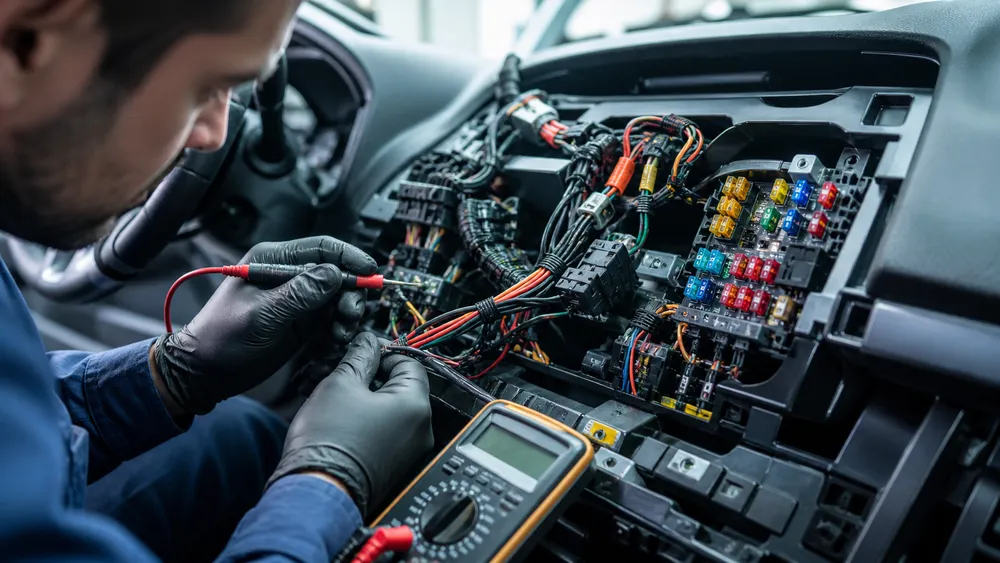
Why Choose a Specialist for Body Electrics?
Body electrics are not a DIY-friendly area for most vehicle owners. The complexity of modern systems requires professional tools and training.
Benefits of Professional Service
- Accurate diagnostics
- Access to manufacturer-specific tools
- Proper repair techniques
- Reduced risk of further damage
- Time and cost efficiency
At Body Electrician, specialists focus specifically on body electrics, ensuring your vehicle receives expert care.
Future Trends in Body Electrics
The future of body electrics is exciting and rapidly evolving.
Emerging Technologies
- Autonomous driving systems
- Advanced driver-assistance systems (ADAS)
- Vehicle-to-everything (V2X) communication
- Smart interiors and voice controls
- Over-the-air software updates
These innovations will continue to increase the importance of body electrics in vehicle design and maintenance.
Conclusion
Body electrics are the unsung heroes of modern vehicles, powering everything from basic lighting to advanced safety systems. As cars become more technologically advanced, the complexity and importance of body electrics will only continue to grow.
Understanding how these systems work—and recognizing when to seek professional help—can save you time, money, and frustration. Whether you’re dealing with a minor electrical issue or a complex system failure, working with experts like Body Electrician ensures your vehicle remains safe, reliable, and fully functional.
If you want to keep your vehicle performing at its best, don’t overlook the importance of body electrics—because in today’s world, your car is as much about electronics as it is about mechanics.